Designing Hidden Order for Advanced Traders
Designing Hidden Order for Advanced Traders
Designing Hidden Order for Advanced Traders
Responsibilities
UI, UX, Product Strategy
Client
Aster
Duration
1 week
Platform
Web (Trading Platform)
Overview
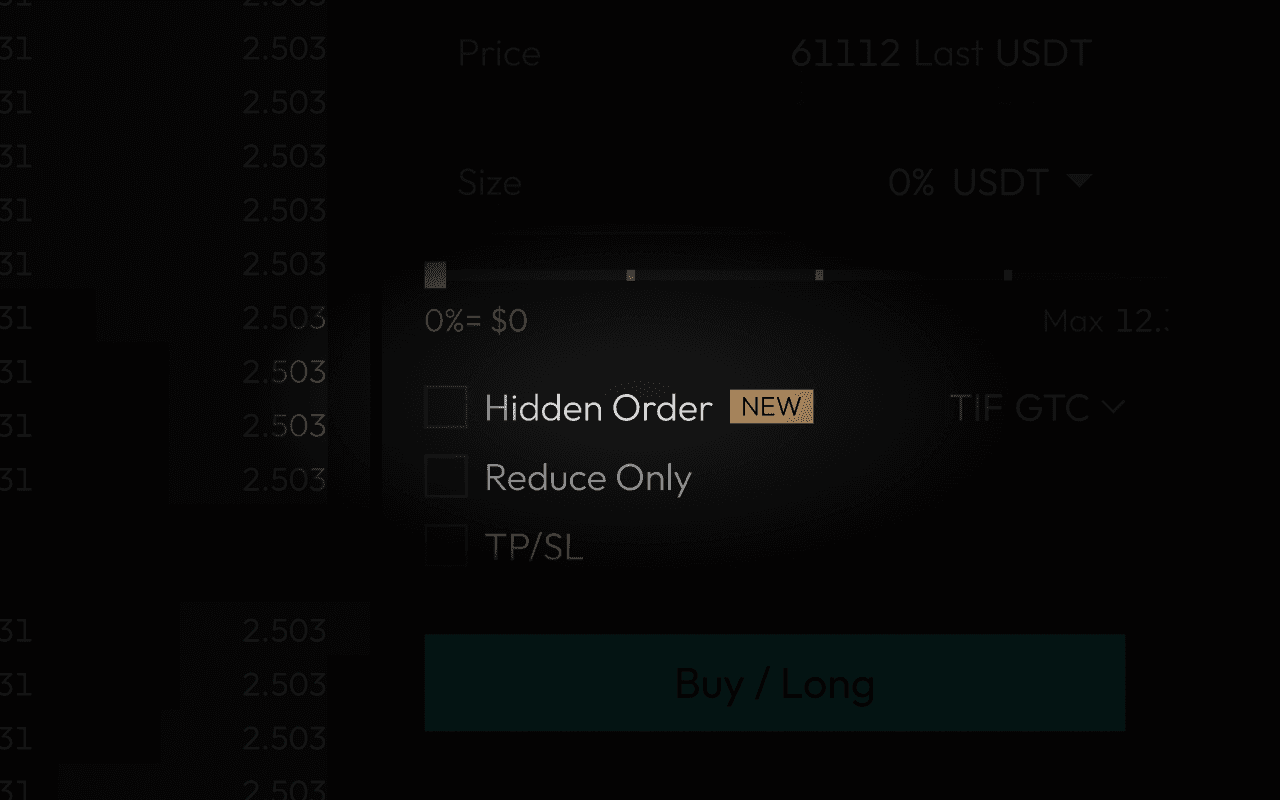
Aster is an early-stage perpetual DEX. At this stage, clear differentiation matters more than feature completeness.
Hidden Order was introduced not simply as a new order type, but as a capability that communicates Aster’s product stance:
giving advanced traders greater control over market impact and strategy exposure.
I was involved throughout the full cycle—from requirement discussion to design decisions and implementation.
The concept moved from idea to production in approximately one week, requiring fast alignment between product intent and design execution.
Opportunity
The idea originated from a public discussion by CZ on X around hidden or dark orders.
Rather than treating this as commentary, we saw it as a strategic opportunity for a new perp DEX.
For an early-stage product, being memorable is often more important than being feature-rich.
Hidden Order had the potential to become:
A clearly communicable point of differentiation
A strong signal that Aster is built for serious, advanced traders
Based on this assessment, we decided to move quickly from concept to execution.
Product Stance — Choosing Advanced Traders Over Beginners
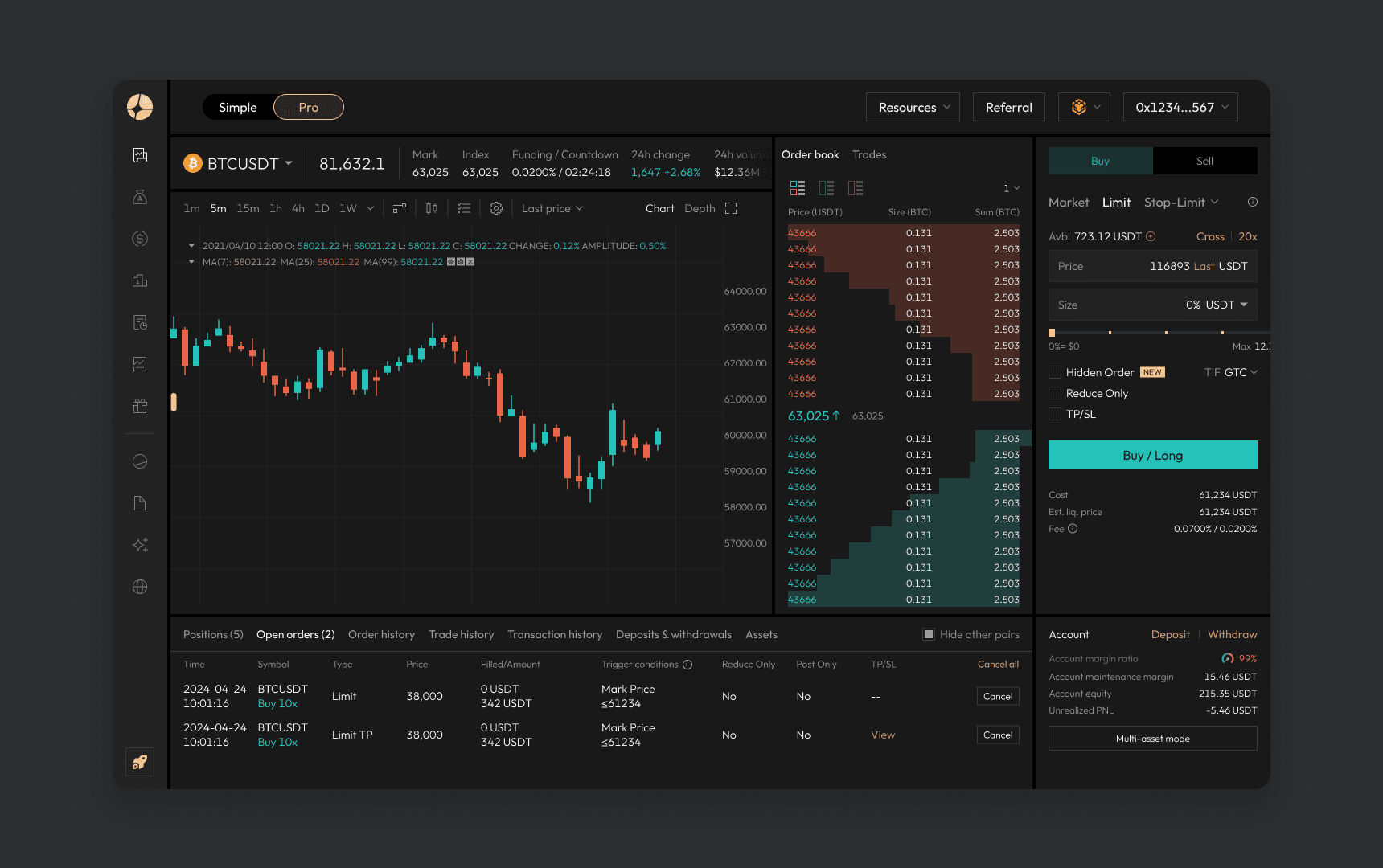
One of the most important decisions was to explicitly prioritize advanced perp traders.
This decision translated into concrete product choices:
Hidden Order is only available in Pro Trade
Emphasis on Simple mode was intentionally reduced
Users land directly on Pro Trade by default
This was not a UX compromise—it was a product positioning decision.
Hidden Order would only deliver real value if it was designed for users who already understand advanced trading mechanics.
Core Risk — When a Key Feature Becomes Invisible
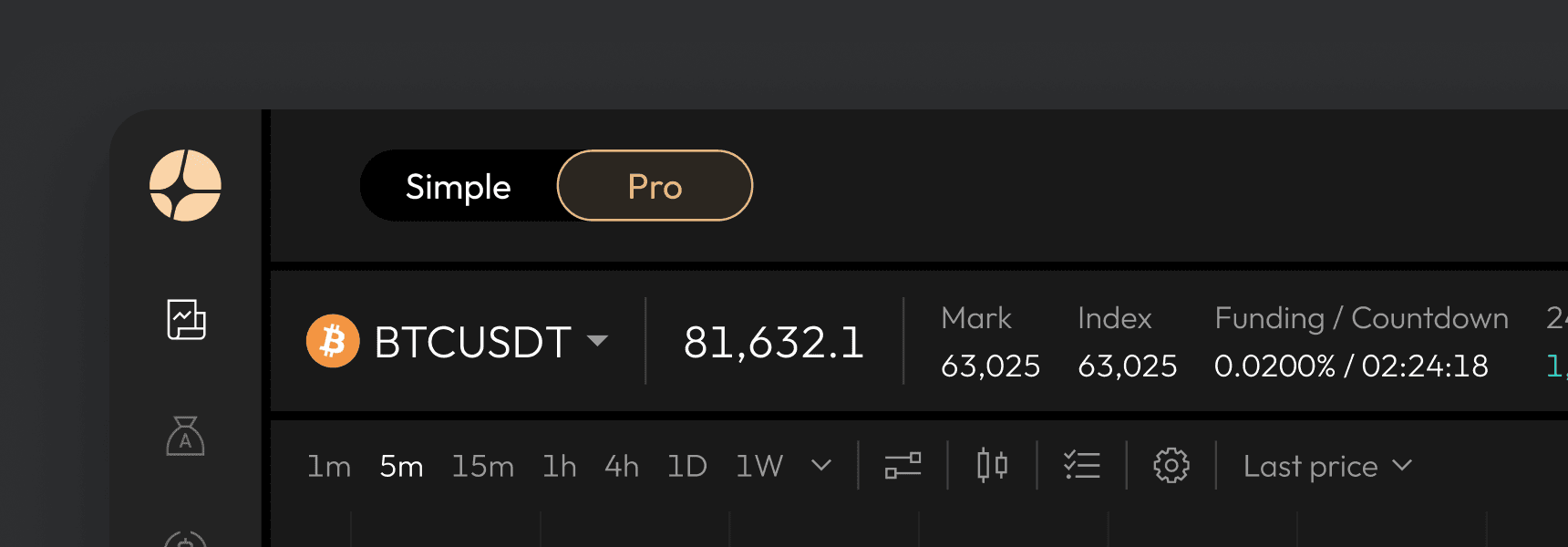
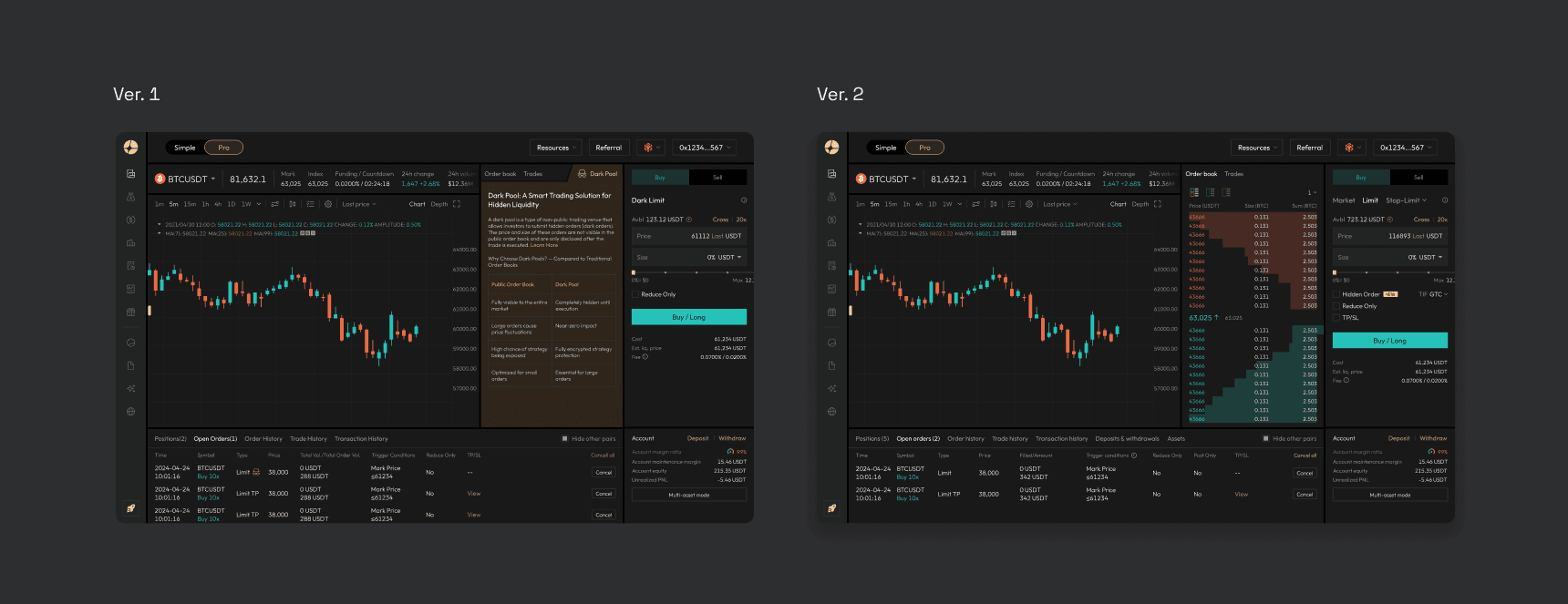
In early designs, Hidden Order was placed at the same hierarchy level as Simple and Pro.
Feedback revealed two issues:
It disrupted existing trading mental models
Dark Order made more sense as an advanced capability within Pro, not a separate mode
As a result, Hidden Order’s entry point was intentionally deprioritized.
The real risk at this stage was not visual prominence, but perceived value:
Users might never discover Aster’s differentiating capability
Or misunderstand Hidden Order as an insignificant toggle
Preventing this loss of awareness became the central design problem.
Design Challenge — Explaining a New Concept Without Breaking Flow
Hidden Order is still unfamiliar to many users. The challenge was not functional complexity, but communication within a high-focus trading environment.
Constraints were clear:
Target users are advanced traders
Multi-step onboarding would interrupt trading flow
No explanation would make the feature effectively invisible
We needed to explain just enough—without slowing users down.
Design Strategy — One-Time Tutorial, Not More Steps
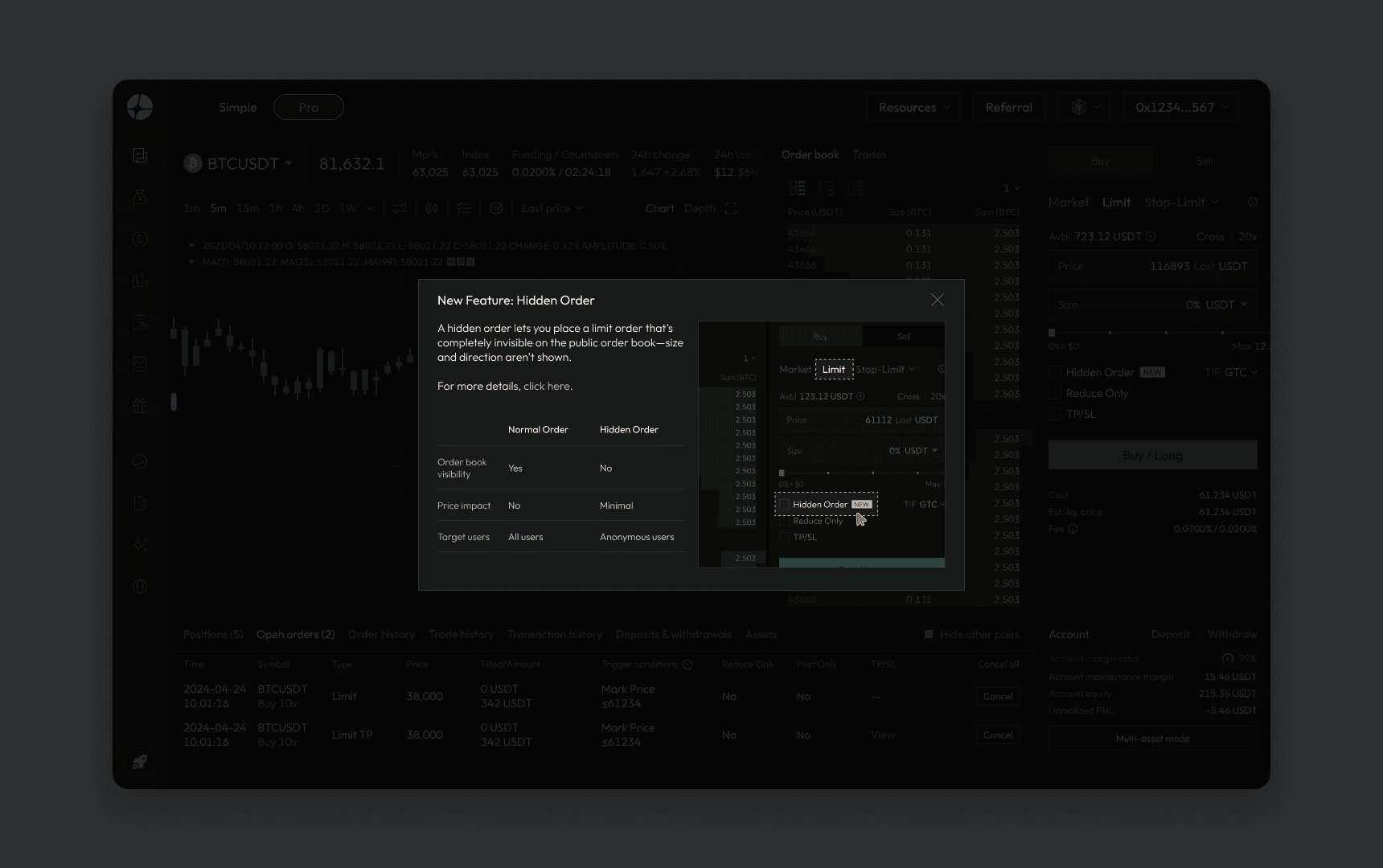
We introduced a one-time, skippable tutorial.
Design principles:
No multi-step onboarding
Appears only in a relevant context
Minimal copy, focused on the core difference
To account for memory decay, we added a secondary layer:
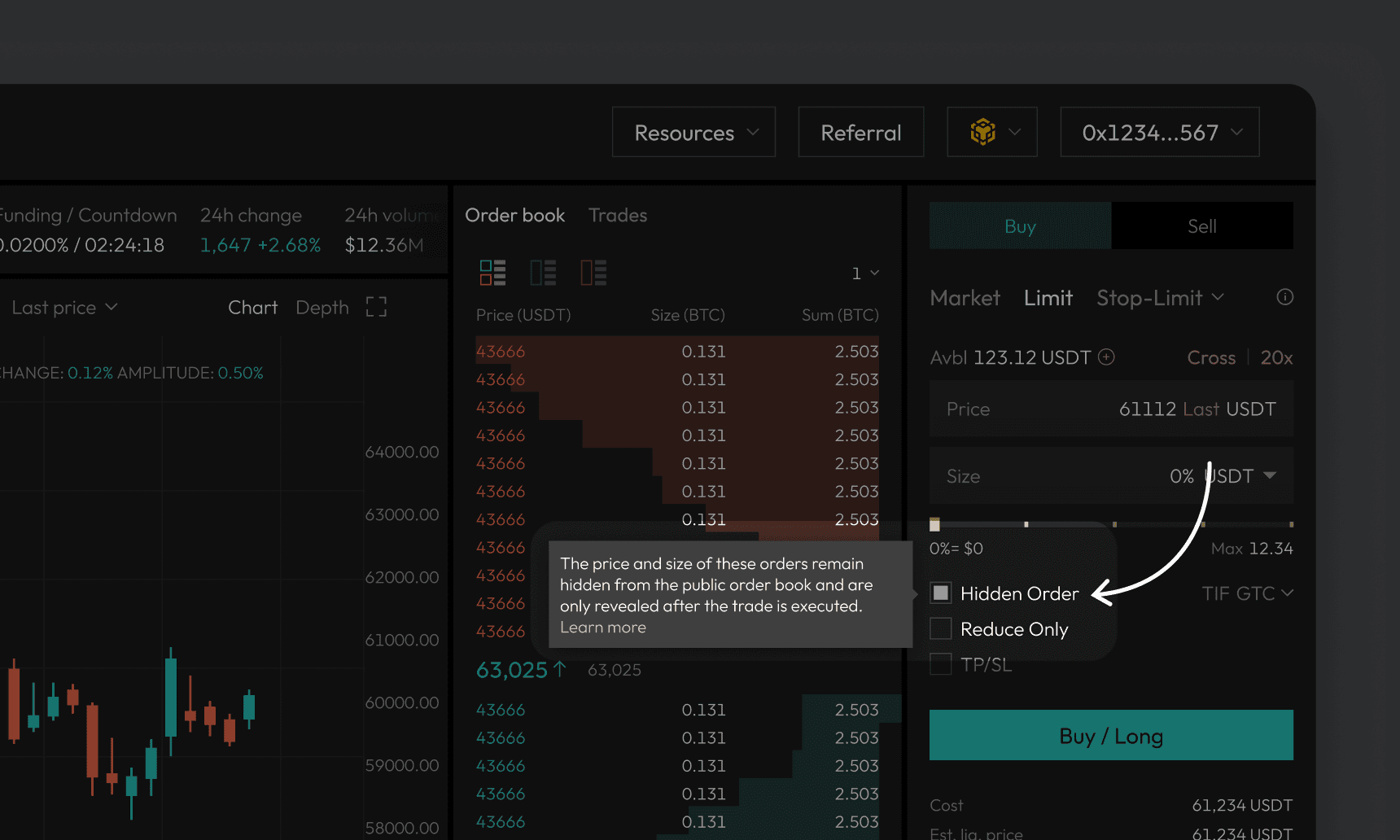
A tooltip on the Hidden Order checkbox
A direct link to technical documentation for deeper understanding
This was a deliberate trade-off:
we trusted advanced traders’ ability to self-educate, while still providing a fallback when needed.
Iteration — From Visibility to Awareness
The most important iteration was not about adding more explanation, but about clarifying system state.
In early versions, users could read the tutorial but still feel uncertain:
“Am I actually in Hidden Order mode right now?”
The final design introduced clearer visual and interaction cues to explicitly signal:
You are operating in Hidden Order mode
This represents a different level of trading behavior
In trading products, state awareness directly impacts confidence and trust.
Outcome
Hidden Order became more than a hidden setting.
It functioned as:
A clearly perceived differentiator
A signal that Aster is built for advanced traders
A feature that emphasizes control over complexity
Even after its entry point was deprioritized, users could still understand:
Aster offers greater control over how and when orders interact with the market.
Takeaways
This project reinforced a core belief in my design approach:
In early-stage products, design is not just about usability—it is about making product positioning visible and credible.
Hidden Order was ultimately a product stance.
Design was the mechanism that made this stance understandable, discoverable, and trustworthy.
Overview
Aster is an early-stage perpetual DEX. At this stage, clear differentiation matters more than feature completeness.
Hidden Order was introduced not simply as a new order type, but as a capability that communicates Aster’s product stance:
giving advanced traders greater control over market impact and strategy exposure.
I was involved throughout the full cycle—from requirement discussion to design decisions and implementation.
The concept moved from idea to production in approximately one week, requiring fast alignment between product intent and design execution.
Opportunity
The idea originated from a public discussion by CZ on X around hidden or dark orders.
Rather than treating this as commentary, we saw it as a strategic opportunity for a new perp DEX.
For an early-stage product, being memorable is often more important than being feature-rich.
Hidden Order had the potential to become:
A clearly communicable point of differentiation
A strong signal that Aster is built for serious, advanced traders
Based on this assessment, we decided to move quickly from concept to execution.
Product Stance — Choosing Advanced Traders Over Beginners
One of the most important decisions was to explicitly prioritize advanced perp traders.
This decision translated into concrete product choices:
Hidden Order is only available in Pro Trade
Emphasis on Simple mode was intentionally reduced
Users land directly on Pro Trade by default
This was not a UX compromise—it was a product positioning decision.
Hidden Order would only deliver real value if it was designed for users who already understand advanced trading mechanics.
Core Risk — When a Key Feature Becomes Invisible
In early designs, Hidden Order was placed at the same hierarchy level as Simple and Pro.
Feedback revealed two issues:
It disrupted existing trading mental models
Dark Order made more sense as an advanced capability within Pro, not a separate mode
As a result, Hidden Order’s entry point was intentionally deprioritized.
The real risk at this stage was not visual prominence, but perceived value:
Users might never discover Aster’s differentiating capability
Or misunderstand Hidden Order as an insignificant toggle
Preventing this loss of awareness became the central design problem.
Design Challenge — Explaining a New Concept Without Breaking Flow
Hidden Order is still unfamiliar to many users. The challenge was not functional complexity, but communication within a high-focus trading environment.
Constraints were clear:
Target users are advanced traders
Multi-step onboarding would interrupt trading flow
No explanation would make the feature effectively invisible
We needed to explain just enough—without slowing users down.
Design Strategy — One-Time Tutorial, Not More Steps
We introduced a one-time, skippable tutorial.
Design principles:
No multi-step onboarding
Appears only in a relevant context
Minimal copy, focused on the core difference
To account for memory decay, we added a secondary layer:
A tooltip on the Hidden Order checkbox
A direct link to technical documentation for deeper understanding
This was a deliberate trade-off:
we trusted advanced traders’ ability to self-educate, while still providing a fallback when needed.
Iteration — From Visibility to Awareness
The most important iteration was not about adding more explanation, but about clarifying system state.
In early versions, users could read the tutorial but still feel uncertain:
“Am I actually in Hidden Order mode right now?”
The final design introduced clearer visual and interaction cues to explicitly signal:
You are operating in Hidden Order mode
This represents a different level of trading behavior
In trading products, state awareness directly impacts confidence and trust.
Outcome
Hidden Order became more than a hidden setting.
It functioned as:
A clearly perceived differentiator
A signal that Aster is built for advanced traders
A feature that emphasizes control over complexity
Even after its entry point was deprioritized, users could still understand:
Aster offers greater control over how and when orders interact with the market.
Takeaways
This project reinforced a core belief in my design approach:
In early-stage products, design is not just about usability—it is about making product positioning visible and credible.
Hidden Order was ultimately a product stance.
Design was the mechanism that made this stance understandable, discoverable, and trustworthy.
Overview
Aster is an early-stage perpetual DEX. At this stage, clear differentiation matters more than feature completeness.
Hidden Order was introduced not simply as a new order type, but as a capability that communicates Aster’s product stance:
giving advanced traders greater control over market impact and strategy exposure.
I was involved throughout the full cycle—from requirement discussion to design decisions and implementation.
The concept moved from idea to production in approximately one week, requiring fast alignment between product intent and design execution.
Opportunity
The idea originated from a public discussion by CZ on X around hidden or dark orders.
Rather than treating this as commentary, we saw it as a strategic opportunity for a new perp DEX.
For an early-stage product, being memorable is often more important than being feature-rich.
Hidden Order had the potential to become:
A clearly communicable point of differentiation
A strong signal that Aster is built for serious, advanced traders
Based on this assessment, we decided to move quickly from concept to execution.
Product Stance — Choosing Advanced Traders Over Beginners
One of the most important decisions was to explicitly prioritize advanced perp traders.
This decision translated into concrete product choices:
Hidden Order is only available in Pro Trade
Emphasis on Simple mode was intentionally reduced
Users land directly on Pro Trade by default
This was not a UX compromise—it was a product positioning decision.
Hidden Order would only deliver real value if it was designed for users who already understand advanced trading mechanics.
Core Risk — When a Key Feature Becomes Invisible
In early designs, Hidden Order was placed at the same hierarchy level as Simple and Pro.
Feedback revealed two issues:
It disrupted existing trading mental models
Dark Order made more sense as an advanced capability within Pro, not a separate mode
As a result, Hidden Order’s entry point was intentionally deprioritized.
The real risk at this stage was not visual prominence, but perceived value:
Users might never discover Aster’s differentiating capability
Or misunderstand Hidden Order as an insignificant toggle
Preventing this loss of awareness became the central design problem.
Design Challenge — Explaining a New Concept Without Breaking Flow
Hidden Order is still unfamiliar to many users. The challenge was not functional complexity, but communication within a high-focus trading environment.
Constraints were clear:
Target users are advanced traders
Multi-step onboarding would interrupt trading flow
No explanation would make the feature effectively invisible
We needed to explain just enough—without slowing users down.
Design Strategy — One-Time Tutorial, Not More Steps
We introduced a one-time, skippable tutorial.
Design principles:
No multi-step onboarding
Appears only in a relevant context
Minimal copy, focused on the core difference
To account for memory decay, we added a secondary layer:
A tooltip on the Hidden Order checkbox
A direct link to technical documentation for deeper understanding
This was a deliberate trade-off:
we trusted advanced traders’ ability to self-educate, while still providing a fallback when needed.
Iteration — From Visibility to Awareness
The most important iteration was not about adding more explanation, but about clarifying system state.
In early versions, users could read the tutorial but still feel uncertain:
“Am I actually in Hidden Order mode right now?”
The final design introduced clearer visual and interaction cues to explicitly signal:
You are operating in Hidden Order mode
This represents a different level of trading behavior
In trading products, state awareness directly impacts confidence and trust.
Outcome
Hidden Order became more than a hidden setting.
It functioned as:
A clearly perceived differentiator
A signal that Aster is built for advanced traders
A feature that emphasizes control over complexity
Even after its entry point was deprioritized, users could still understand:
Aster offers greater control over how and when orders interact with the market.
Takeaways
This project reinforced a core belief in my design approach:
In early-stage products, design is not just about usability—it is about making product positioning visible and credible.
Hidden Order was ultimately a product stance.
Design was the mechanism that made this stance understandable, discoverable, and trustworthy.